
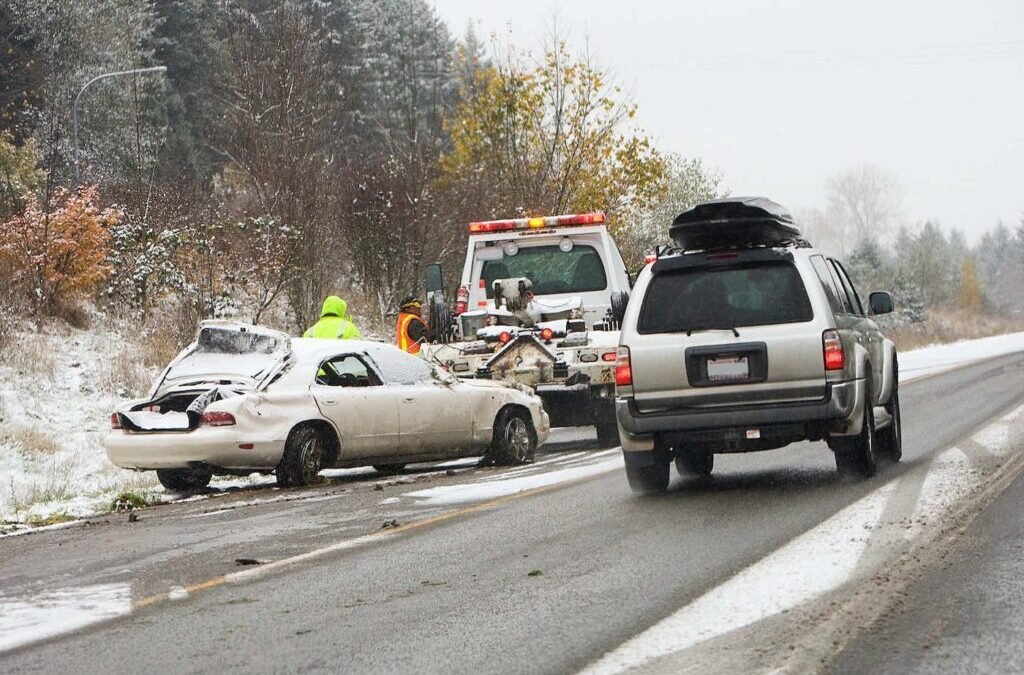
What to Do After a Car Accident in Cornwall: Complete Guide
Car accidents happen suddenly and leave most drivers feeling shaken, confused, and unsure what to do next. Whether it’s a minor fender-bender in a parking lot or a serious collision on Highway 401 during a winter storm, knowing the right steps to take immediately after an accident protects your safety, your legal rights, and your insurance claim.
This complete guide walks Cornwall drivers through exactly what to do at an accident scene, how collision reporting works in Ontario, when you need police involvement, and how to arrange safe vehicle towing when your car isn’t drivable after a crash.
First Priority: Check for Injuries and Stay Safe
Your first responsibility after any collision is checking whether anyone is injured. Before worrying about vehicle damage or exchanging insurance information, assess the immediate safety of everyone involved.
- Check yourself and your passengers for injuries, even if they seem minor at first.
- If anyone is hurt, call 911 immediately—do not wait or assume injuries are not serious.
- Turn on your hazard lights so other drivers can see the accident scene.
- Move vehicles out of traffic only if it’s safe and the cars are drivable—otherwise leave them where they stopped.
- Set up warning triangles or flares if you have them, especially on highways or curves where visibility is limited.
If your vehicle is blocking traffic and can’t be moved safely, stay inside with your seatbelt on until help arrives. Standing on the roadside, especially on busy roads or in winter conditions, puts you at risk from other vehicles that may not see the accident in time.
When You Must Call Police for a Collision in Ontario
Ontario law requires you to report certain types of collisions to police immediately. Understanding these requirements prevents legal trouble and ensures proper documentation for insurance claims.
You must call police if any of these conditions apply:
- Anyone is injured or killed.
- Total damage to all vehicles appears to exceed $2,000 combined.
- A driver appears impaired by alcohol or drugs.
- A driver leaves the scene (hit and run).
- One of the vehicles involved is a government vehicle.
- The collision involves pedestrians, cyclists, or animals.
If the accident meets any of these criteria, call 911 or the local police non-emergency line depending on the severity. Officers will document the scene, collect statements, and create an official collision report you’ll need for your insurance claim.
Minor Accidents: Collision Reporting Centre Option
For minor collisions where no one is injured and damage appears under $2,000, Ontario drivers can skip calling police to the scene and instead visit a Collision Reporting Centre within 24 hours. These centres allow you to file an official accident report without tying up emergency resources.
Cornwall drivers can locate the nearest Collision Reporting Centre through local police services or their insurance provider. Bring your driver’s license, vehicle registration, insurance documents, and any photos or notes from the scene.
Essential Information to Collect at the Scene
Even if police are called, you should collect your own information from the other driver and document the scene thoroughly. This protects you if there are disputes later about fault, damage, or injuries.
Gather the following from every driver involved:
- Full name, phone number, and address
- Driver’s license number and province
- Vehicle make, model, year, color, and license plate
- Insurance company name and policy number
- Names and contact information for passengers
Also collect contact information from any witnesses who saw the collision happen. Independent witness statements can be critical if fault is disputed or if one driver changes their story later.
Document the Scene With Photos and Notes
Modern smartphones make it easy to document accident scenes thoroughly. Take multiple photos showing:
- Damage to all vehicles from multiple angles
- License plates of all vehicles involved
- Final positions of vehicles after the collision
- Skid marks, debris, or road conditions
- Traffic signs, signals, and lane markings
- Weather and lighting conditions
Write down your own account of what happened while details are fresh in your memory. Include the time, location, direction you were traveling, speed, and any factors like weather, visibility, or road conditions that contributed to the accident.
What NOT to Say or Do After an Accident
In the stress of the moment, many drivers say or do things that hurt their insurance claim or create legal problems later. Avoid these common mistakes:
- Don’t admit fault or apologize: Even saying “I’m sorry” can be interpreted as accepting blame. Stick to facts when speaking with police and other drivers.
- Don’t leave the scene: Leaving before exchanging information or calling police is illegal and can result in criminal charges, even for minor accidents.
- Don’t discuss the accident on social media: Posting about the crash, even casually, can be used against you by insurance companies or in legal proceedings.
- Don’t sign documents from the other driver: Never sign anything except official police forms or documents from your own insurance company.
- Don’t accept cash settlements on the spot: Damage and injuries may be worse than they first appear. Always go through proper insurance channels.
Stay calm, be courteous, and limit your conversation to exchanging required information. Save detailed explanations for police and your insurance company.
When Your Vehicle Needs Towing After an Accident
If your vehicle is too damaged to drive safely, or if it’s creating a hazard by blocking traffic, you’ll need towing service to move it from the scene. Understanding how accident towing works helps you make smart decisions under pressure.
Police or emergency responders may call a tow truck for you if the vehicle is blocking traffic or leaking fluids. However, you usually have the right to choose your own towing company and destination, depending on the situation and your insurance policy.
Professional accident towing includes:
- Safe removal of damaged vehicles from accident scenes
- Flatbed transport to protect vehicles with drivetrain or wheel damage
- Secure storage facilities while insurance claims are processed
- Direct billing to insurance companies when claims are approved
- Documentation and photos for insurance and legal purposes
If your insurer requires your vehicle to be towed to a specific collision center or storage facility, confirm those details before the tow truck leaves. If you’re unsure, ask the tow operator to wait while you contact your insurance company for instructions.
How Insurance Claims Work for Cornwall Accidents
After ensuring everyone’s safety and documenting the scene, your next step is reporting the accident to your insurance company. Most insurers require notification within 24-48 hours, even for minor collisions.
When you call your insurer, have this information ready:
- Date, time, and exact location of the collision
- Contact and insurance information for other drivers
- Police report number or Collision Reporting Centre reference
- Photos and documentation from the scene
- Names and contact information for witnesses
Your insurance company will assign a claims adjuster who reviews the details, determines fault, and approves repairs or towing costs. If the other driver is at fault, their insurance typically covers your vehicle damage, but this process can take time to resolve.
In Ontario, insurance follows a “fault determination” system based on standard rules, not just police reports or witness statements. Your insurer explains how fault is assigned and how it affects your premiums going forward.
Winter Accidents: Extra Precautions in Cornwall
Winter conditions significantly increase accident risks in Cornwall due to snow, ice, reduced visibility, and longer stopping distances. If your accident happens during winter weather, additional safety measures apply.
- Stay warm: If you can’t move your vehicle and must wait for police or a tow truck, run your engine for heat in short intervals only if your exhaust is clear.
- Beware of secondary accidents: Winter roads make it harder for other drivers to stop. Stay well clear of your vehicle if it’s safe to do so.
- Use extra lighting: Visibility is often poor during winter storms. Keep hazard lights on and use flares or reflective triangles.
- Arrange covered storage: If your vehicle is towed after a winter accident, secure indoor storage protects it from further weather damage while waiting for repairs.
Winter accidents often require additional recovery techniques such as winching services to pull vehicles from snowbanks or ditches before they can be towed to a repair facility.
What If the Other Driver Doesn’t Have Insurance?
Driving without insurance is illegal in Ontario, but it still happens. If you’re hit by an uninsured driver, your own insurance policy may cover the damage through uninsured motorist coverage if you have it.
Take these extra steps if the other driver admits they have no insurance:
- Document their admission in your notes and photos
- Report this immediately to police—driving without insurance is a serious offense
- Contact your insurance company right away to explain the situation
- Consider consulting a lawyer if injuries or significant damage are involved
Never leave the scene even if the other driver is uninsured. Complete all normal accident procedures and let police and your insurer handle the legal consequences.
Other Emergency Roadside Services We Provide
Accidents aren’t the only emergencies Cornwall drivers face. Whether it’s a mechanical breakdown, winter lockout, or flat tire, having reliable help available 24/7 makes every drive safer.
- Roadside Assistance: Battery boosts, tire changes, fuel delivery, and lockouts handled quickly
- Flatbed Towing: Safe transport for AWD vehicles, luxury cars, and damaged vehicles
- 24-Hour Emergency Service: Round-the-clock towing and recovery when accidents or breakdowns happen
- Heavy-Duty Towing: Commercial trucks, RVs, and buses recovered safely
- Insurance Towing: Direct billing to insurers for approved accident tows
No matter what type of emergency you face on Cornwall roads, professional help is always just a phone call away.
Frequently Asked Questions
Do I need to call police for every car accident in Cornwall?
Not always. You must call police if anyone is injured, damage exceeds $2,000, or other serious factors are involved. For minor collisions, you can file a report at a Collision Reporting Centre within 24 hours instead of calling police to the scene.
What happens if I don’t report an accident to my insurance?
Failing to report an accident can void your coverage and lead to policy cancellation. Even if you don’t plan to make a claim, most insurers require notification of any collision within 24-48 hours regardless of fault or damage severity.
Can I choose my own tow truck after an accident?
Generally yes, unless police arrange emergency towing because your vehicle is blocking traffic or creating a hazard. Check your insurance policy for any preferred towing providers or required procedures after accidents.
How long do I have to report an accident to police in Ontario?
If the accident must be reported but doesn’t require immediate police attendance, you have 24 hours to file a report at a Collision Reporting Centre or police station. Missing this deadline can result in fines and insurance complications.
Will my insurance go up after an accident even if I’m not at fault?
In Ontario, being found not at fault should not increase your premiums. However, multiple not-at-fault claims within a short period may still affect your rates depending on your insurer’s policies and your claims history.
What if the other driver leaves the scene before we exchange information?
Call police immediately and report a hit-and-run. Try to note the vehicle’s license plate, make, model, color, and direction of travel. Your own insurance may cover the damage through hit-and-run coverage if you have it.
Should I get medical attention even if I feel fine after an accident?
Yes. Many injuries like whiplash, concussions, and soft tissue damage don’t show symptoms immediately. Seeing a doctor within 24-48 hours creates documentation and ensures hidden injuries are identified early.
Been in an Accident? We’re Here to Help 24/7
Car accidents are stressful and confusing, but you don’t have to handle everything alone. Professional accident towing services help you get your vehicle to safety, meet insurance requirements, and move forward with repairs quickly.
Cornwall Towing provides safe, professional accident recovery and towing throughout Cornwall and surrounding areas. We work directly with insurance companies, handle secure vehicle storage, and ensure your damaged vehicle is transported without causing additional harm.
Need accident towing or roadside help? Call now: 613-907-6997
Available 24/7 for accidents, breakdowns, and all roadside emergencies across Cornwall.